
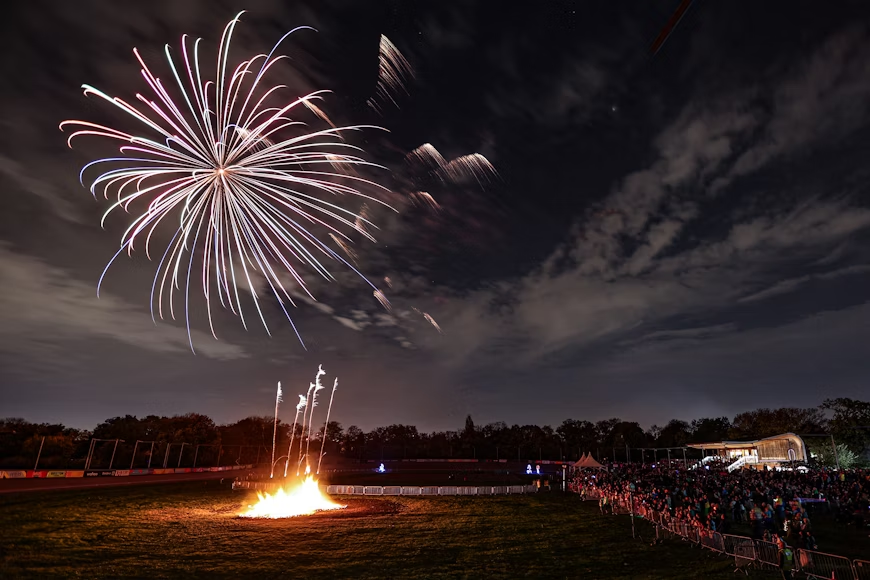
London fireworks have long captured the city’s collective imagination, lighting up the night sky for occasions ranging from Bonfire Night to New Year’s Eve. Every year, the UK capital transforms into a canvas of colour, energy, and communal excitement as celebrations draw massive crowds and headline national news. In 2025, as Londoners and visitors prepare for the latest round of dazzling displays, the scene is shaped not only by tradition but also by new regulations, changing ticket prices, and a renewed discussion on public safety and inclusivity. This article unpacks the latest trends, highlights, and issues surrounding London fireworks, offering an in-depth look at everything you need to know if you’re planning to join the spectacle or simply wish to understand its continued significance in British culture.
The Enduring Allure of Fireworks in London
Fireworks have a storied history in London, deeply embedded in British culture and public life. From Guy Fawkes Night every November to the breath-taking displays welcoming in the New Year, they offer a rare chance for diverse communities to come together in celebration. Whether in parks, community centres, or along the banks of the Thames, these events are about more than just pyrotechnic artistry—they are a modern tribute to resilience, tradition, and collective joy.
Bonfire Night: London’s Explosive Love Affair
Every year, Bonfire Night—or Guy Fawkes Night—marks a defining moment in the city’s social calendar. The story behind the celebration dates back to 1605, when Guy Fawkes and his fellow conspirators were caught trying to blow up the Houses of Parliament. Today, the night is marked across the UK by fireworks, bonfires, and community gatherings, with London at the epicentre.
In 2025, Bonfire Night falls on a Wednesday, with events spread over the weekends before and after 5 November. Venues like Alexandra Palace lead the line-up with a blend of tradition and contemporary flair. Alexandra Palace, perched high above the city, is renowned for its immersive events, which include not just fireworks and bonfires, but also live music, street food, and fairground rides. After a hiatus, Blackheath’s beloved display makes a much-anticipated return, rivalling even Ally Pally in crowd size and spectacle.
Neighbourhoods across London host smaller gatherings. Harrow’s Byron Park, for instance, launches its own lively event with family-friendly attractions and a punchy finale. Meanwhile, the Bounds Green Scout Park display offers a grassroots feel, run by young volunteers keen to sustain local traditions.
Throughout these events, firework displays are carefully choreographed to appeal to both children and adults, ensuring the magic endures across generations.
New Year’s Eve: The Capital’s Signature Spectacle
When it comes to fireworks in London, New Year’s Eve is the crown jewel. The event is internationally televised, drawing viewers from around the world, with the River Thames and the London Eye providing a cinematic backdrop. In 2025, up to 100,000 people are expected to gather in prime viewing spots, while millions more tune in from home to witness the iconic countdown.
The 2025 celebration promises a 12-minute show filled with more than 12,000 fireworks and over 420 lighting elements, engineered to create swirling visuals, animated patterns, and even nods to notable moments from British life over the past year. In recent years, themes have included tributes to everything from key sporting moments to beloved London icons.
Tickets for the event are released in stages, with this year’s prices reflecting a notable increase. While Londoners enjoy stable prices (£20–£35), those travelling from outside London face a rise, with tickets now costing up to £55. This uplift is partly attributed to enhanced security under “Martyn’s Law,” named after Martyn Hett, a victim of the Manchester Arena attack, and aims to ensure robust safety protocols at large gatherings. City Hall estimates the event contributes over £14 million to the capital, bolstering the local economy and the hospitality sector.
Those unable to secure a ticket can watch the event on the BBC or explore alternative celebrations across the city, ensuring no one is left out of the festive spirit.
Firework Safety: Law and Best Practice
Recent headlines also underscore the continuing importance of firework safety in the UK. Incidents involving dangerous or anti-social firework use have appeared in the news, such as the recent outcry over Diwali night fireworks being set off from moving cars in London. Authorities have responded with calls for robust enforcement and greater public responsibility.
UK law is strict: Fireworks cannot be bought or used by anyone under 18, and must not be set off between 11pm and 7am, except on specified occasions like Bonfire Night, New Year’s Eve, and certain festivals, where the times are extended by law. Setting off fireworks in public places, including streets, is illegal, and violations can result in hefty fines or imprisonment. Recent guidance issued by the Office for Product Safety and Standards also highlights the need to protect pets and wildlife, as well as vulnerable residents and young children. Sales are further restricted, with fireworks only available from registered sellers during specific windows in October, November, December, and near festival days.
Categories and safety distances are closely regulated, and only CE-marked fireworks are permitted for public sale—certain powerful fireworks, such as aerial shells and airbombs, remain banned for non-professional use, reflecting the UK’s emphasis on community safety and reduced risk.
Sustainability and Health: Changing the Conversation
The environmental and health impact of fireworks has become part of the national conversation. Each year, London’s firework displays generate significant air and noise pollution, with spikes in particulate matter observed immediately after major events. While the health risks for most can be low with occasional exposure, those with asthma or other respiratory conditions may be impacted, sparking debate on how to balance community enjoyment with responsible event planning.
Many organisers have introduced quieter fireworks, scheduled displays earlier in the evening, and worked to minimise waste. Increasingly, cities are under pressure to continue exploring low-emission pyrotechnics and introduce even more sustainable options—such as laser shows or drone light displays—which have recently gained popularity in several global capitals.
Community Spirit and Inclusivity
Despite challenges, fireworks remain a compelling symbol of unity and celebration in London. Neighbourhood displays and citywide spectacles alike prioritise inclusivity, with many events designed to be accessible to all, including family-friendly timings and sensory-friendly spaces for individuals with additional needs.
Local authorities and voluntary groups now pay added attention to supporting diverse communities, ensuring the festivities reflect the city’s multicultural makeup. Recent years have seen fireworks integrated into Diwali, Lunar New Year, and other global festivities, with authorities collaborating to ensure these celebrations remain safe and enjoyable for all.
The Latest: Trending News and Controversies
This year, news coverage has also highlighted certain flashpoints. The most notable recent controversy involved individuals setting off fireworks from moving cars during Diwali celebrations in north London. Videos shared widely on social media triggered an outcry and prompted Metropolitan Police involvement, reinforcing calls for even tougher enforcement and renewed public education around responsible behaviour. Such incidents have fuelled debate about how best to balance joy and tradition with community safety and urban order.
In positive news, the much-loved Blackheath fireworks are back after a long hiatus, thrilling locals and attracting new visitors. Ticketed New Year’s Eve events also set records for demand, signalling the city’s enduring enthusiasm for collective celebration and spectacle.
Expert View: What the Analysts Say
Experts and public officials continue to endorse a balanced approach. The Mayor of London has publicly championed the city’s fireworks as not only a source of pride and attraction but also a vital driver for the economy and local businesses. Safety professionals suggest that robust enforcement and careful planning enable London to host some of the world’s safest and most impressive pyrotechnic displays.
Environmental advocates and health officials, meanwhile, urge continued vigilance in communicating the risks, particularly to vulnerable groups and residents in densely populated boroughs.
Looking Ahead: Future Trends in London Fireworks
As technological innovation accelerates, the future of London fireworks could become far more sustainable, safe, and high-tech. Many organisers are already experimenting with synchronised drone shows, LED displays, and biodegradable materials for fireworks, aiming to reduce environmental impact and enhance precision. While tradition remains core, it’s likely that new approaches will blend the old with the new—ensuring fireworks maintain their magic, but in a way that works for a modern, environmentally conscious city.
Attending a Firework Display: What You Need to Know
If you’re planning to attend a fireworks display in London, preparation is key. Certain events, such as the New Year’s Eve fireworks, are ticketed with restricted access. Always purchase tickets through authorised vendors to avoid scams. Consider travel and accommodation early, as transport in and around central London can be heavily disrupted on major event nights.
For local displays, such as those at Alexandra Palace or Blackheath, check official guidance on ticketing, safety rules, and accessibility. Many neighbourhood events are family-focused, with additional entertainment, food stalls, and community activities.
If you’re celebrating at home, follow government guidelines to protect yourself, your neighbours, and local wildlife. Ensure all fireworks used conform to legal standards, observe safety distances, and respect the quiet hours outlined in UK law. Pets and children should always be supervised.
Behind the Scenes: Organising London’s Biggest Displays
The logistics of London’s firework events are complex and require months of planning. Security plays a central role, particularly at events like New Year’s Eve, where “Martyn’s Law” now mandates rigorous risk assessments and contingency plans. Emergency services are on high alert during large displays, and dedicated volunteers provide support with crowd management, accessibility, and logistical issues.
Each venue typically includes designated viewing zones, safety cordons, and emergency exits. Spectators are encouraged to arrive early, follow instructions from stewards, and cooperate with security checks. This coordinated effort ensures not only the success of the show but also the safety of all who attend.
Firework Innovation and the Search for Greener Solutions
The firework industry in the UK is adapting rapidly in response to both public demand and regulatory pressure. While classic pyrotechnics remain the centrepiece, manufacturers are investing in research on greener formulations, quieter explosions, and alternative forms of visual entertainment. Drones and lasers are already used in major events worldwide, and it’s expected that London will continue to lead on fusing spectacle with sustainability.
Many Londoners support further evolution, viewing it as a way to preserve the joy and artistry of fireworks while addressing legitimate environmental and health concerns. The challenge ahead is maintaining that sense of wonder without compromising on progressive standards.
Social Significance: Fireworks as a Mirror of Change
Ultimately, London’s fireworks are more than just entertainment—they are a barometer of social change. Celebrations have become more inclusive, reflective of the UK’s multicultural make-up, and sensitive to emergent issues like environmental protection and community safety. Where once fireworks heralded a simple, carefree night of fun, today they catalyse important conversations about identity, responsibility, and progress.
With every new year, the magic of fireworks offers a chance to celebrate achievements, embrace hope, and look forward together as a city. Their enduring popularity underscores the British appetite for public celebration, even as the forms and meanings continue to evolve.
FAQ: London Fireworks
1. When are major fireworks events held in London?
London’s biggest fireworks take place on New Year’s Eve and Bonfire Night in early November, with additional displays for Diwali and other celebrations throughout the autumn and winter.
2. Are tickets needed for London’s New Year’s Eve fireworks?
Yes. Entry to the official viewing areas for New Year’s Eve fireworks is ticketed, with prices ranging from £20 for London residents to up to £55 for those from outside the city for 2025.
3. What are the UK laws on fireworks?
Only adults (over 18) may buy fireworks. They must be used before 11pm, except during New Year’s Eve, Bonfire Night, Diwali, and Chinese New Year, when use is allowed until later. Only registered sellers may supply fireworks, and illegal use attracts heavy penalties.
4. Is there concern about the environmental impact of fireworks?
Yes, concerns include air pollution, health hazards for sensitive individuals, and effects on wildlife. Many organisers are exploring greener alternatives such as quieter, less-polluting fireworks and even drone or laser shows.
5. Are London firework events accessible and family-friendly?
Most major displays offer safe, family-friendly environments, with many designed to be accessible. Organisers work to ensure inclusivity, providing designated viewing points and support for those with additional needs.




Leave a Reply